
Last Update:
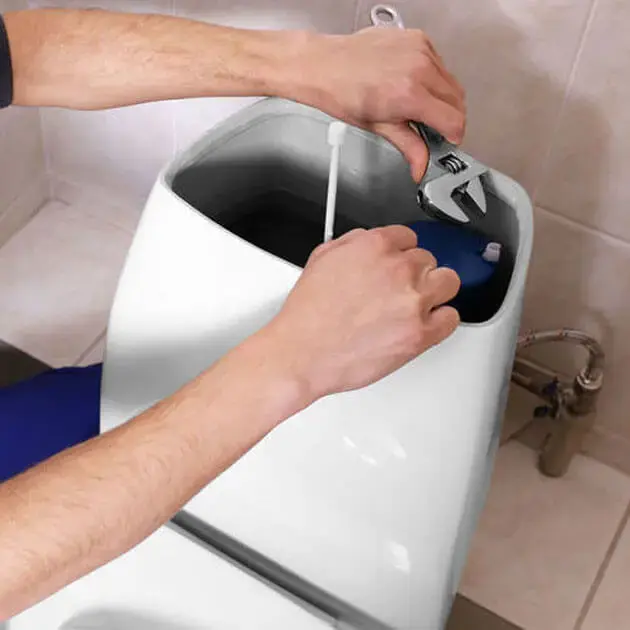
Experiencing the dread of a clogged toilet that even a plunger can't fix is a common household nightmare. This comprehensive guide offers six effective DIY methods using everyday items to tackle stubborn blockages, helping you avoid costly overflows and the immediate need for a plumber. From the lubricating power of dish soap and hot water to the chemical reaction of baking soda and vinegar, and even homemade drain snakes or wet/dry vacuuming, you'll find practical solutions to restore your toilet's function quickly.
Beyond immediate fixes, the article also delves into crucial preventative measures, highlighting common culprits like excessive toilet paper and certain fresheners. By understanding these causes and implementing simple changes, you can significantly reduce the likelihood of future clogs. Remember to always prioritize safety with gloves, and if all DIY attempts fail, don't hesitate to contact a professional plumbing service for persistent issues.
Urgently need to unclog a toilet? Then these easy DIY fixes using everyday items around your own home will come in handy. Read on to learn how to unclog a toilet fast. We all know the panic of a clogged toilet that a plunger can’t fix. Cleaning up an overflow is nobody’s idea of fun! Before you call in a plumber , try these methods to clear it yourself. When a toilet is badly clogged, it can be a nightmare to deal with the mess. Fortunately, there are some handy techniques you can use before reaching for the phone to call your plumber. Of course, a clogged toilet can strike at any time , so these methods only use things you can find around the house immediately. Remember these tips and tricks to remain prepared the next time you run into a clogged toilet. With all done, let’s look at six ways to remove stubborn clogs in a toilet without a flange plunger!
6 Ways To Unclog A Toilet
1. Dish Soap
Although it may not seem like it, dish soap is incredibly handy at breaking down more than just food . This slippery substance can clear and lubricate the pipes, allowing the clog to pass through more easily. To unclog a toilet with dish soap, squeeze about 1/4th of a cup into the toilet bowl and let it soak in. After around five to ten minutes, the soap should slowly move towards the clogged pipe. Next, carefully pour in some warm water to break down the clogged material, let it sit for a few more minutes and press the flush. The combination of hot water trick and soap will move things smoothly in no time , but you may need to flush more than once, depending on the intensity of the clog. 
2. Hot Water
Clogs usually happen when there is too much material in the pipes . A popular and quick fix is to pour hot water into the toilet bowl and allow the heat to break down this material. Get a bucket of hot water—not boiling—just hot enough to make a difference. Pour it into the toilet and let it sit for a bit. If the water level drops, you’re on the right track. Once the water starts draining normally, give the toilet a few flushes to ensure it’s all clear. This extra step helps confirm that the pipes are free from any leftover debris.
3. Baking Soda And Vinegar
Who would have thought that an all-natural solution sixth-grade science project would also be able to unclog a toilet drain in a pinch? Instead of creating a volcano, this vinegar and baking soda mixture will work together to loosen up the clog in almost no time. We suggest wearing rubber gloves for this. As this method creates a pretty chemical reaction, it is recommended that you use it in a toilet bowl that is not too full. If it is close to overflowing, try to remove some clogs manually (gross, we know), or you may have some overflow. Mix one cup of baking soda and vinegar, each near the source of the toilet clog and allow the reaction to take place. The bubbles created by the response will break down the clog . Give the baking soda mixture about 30 minutes to do its job, then follow it up with boiling water.
4. DIY Drano Bomb
Drano is a popular choice for breaking toilet clogs. This potent soap mixture clears hair and any other material that could block the drains. However, accessing some Drano is not always possible so that we will make our own version. First, mix two cups of baking soda, eight to ten tablespoons of dish detergent (one tablespoon at a time), and 1/4th of a cup of Epsom salt. Once all the ingredients are thoroughly mixed, pour them into a moulding tray to harden overnight. To use the DIY Drano bomb, drop one into the toilet bowl with four cups of water. Let it sit and break down the clogged drain to begin unclogging. After half an hour, the soap bomb should have broken down enough to remove the clog.
5. DIY Drain Snake And Brushing
Drain snakes (or a toilet auger)are more handy tools for unclogging toilets than a standard toilet plunger. However, these tools are very specific and are used almost exclusively by plumbers. For a quick fix, you can make your drain snake at home using a wire coat hanger. Turning a wire hanger into a drain snake is an incredibly straightforward process. Unwind the hanger until straight, leaving the hook intact on one end. Using a small rag, tie off the hook to protect the pipes and bowl from scratches, and your toilet snake is ready. Unclogging a blocked toilet with a drain snake is pretty quick and straightforward. Of course, the first step should be to wear a good pair of safety gloves. Then, work the drain snake down the pipe until you reach the clogged area. Work the plumbing snake around until the toilet water drains, then give it a few flushes to wash away the loosened material thoroughly. Another method involving physical work is using a simple toilet brush to unclog the pipes. This method takes no time or prep; angle the bristles along the pipe’s edges and work your way into the bowl. Once you find the source of the clog, move the brush back and forth to break up the material until the water begins draining. Although this method alone is not always enough to completely clear up the blockage, it can still help loosen up at least a part of the clog. If the water moves through the pipes, you can flush the material down the drain until the clog clears. 
6. Vacuuming
When everything else fails, the final method you can try is to break out the heavy-duty guns, a.k.a. the vacuum cleaner. A word of precaution: standard vacuum cleaners will break down or even cause injury if used to unclog a toilet. Wet/dry vacuum cleaners are always the way to go when any liquids are involved. Although using a vacuum hose may seem overkill, remember that the clog has been able to withstand all your efforts so far. To prepare the bowl for vacuuming, drain it so the vacuum will suck just the blocked material. Next, take the vacuum’s hose, wrap it with a rag or towel, and push it into the drain. This creates a tight seal, allowing the hose to pull more forcefully. Turn on the vacuum, and it will begin sucking the organic material and other debris out of your water supply until the drain is unclogged.
Methods To Prevent Clogged Toilets
Unclogging the toilet is one thing, but preventing it in the first place is even better. Let’s look at some common causes of clogs in households . 
1. Toilet Paper
Using too much toilet paper , even if it is made from a flushable material, can block the pipes. Although it may break down quickly, toilet paper can cause a build-up and clog further when a pre-existing blockage occurs.
2. Toilet Fresheners
Toilet fresheners placed inside the bowl or over the toilet’s rim often break down and fall into the pipe over time. To avoid this, opt for a freshener in the toilet tank instead. This way, there is no chance of it getting into the toilet drains. There are also many other ways to avoid a smelly toilet or drain without risking blockages. We advise against using heavy chemical drain cleaners often and instead use a homemade drain cleaner.
Time To Unblock Your Toilet!
And that is how you unblock a toilet without a plunger! Clogged toilets can be painful, with stubborn blockages that refuse to get unstuck. Hopefully, you will be better equipped to fix a blocked toilet next time. Toilet plungers are not obsolete tools, but they may not be enough at times, or the specific unclogging plunger may not be available. Multiple options are so important in getting a fix when all else fails. Always wear safety gloves when trying these methods—working with sewage water isn’t something you want to do without protection. If you’ve tried everything and nothing works, it’s time to call WP Plumbing in Melbourne . Sometimes professional help is the only solution for that stubborn clog. With that, we will wrap up today’s guide. Until next time, take care! May your toilets never be blocked!
Published by: 28 October 2025