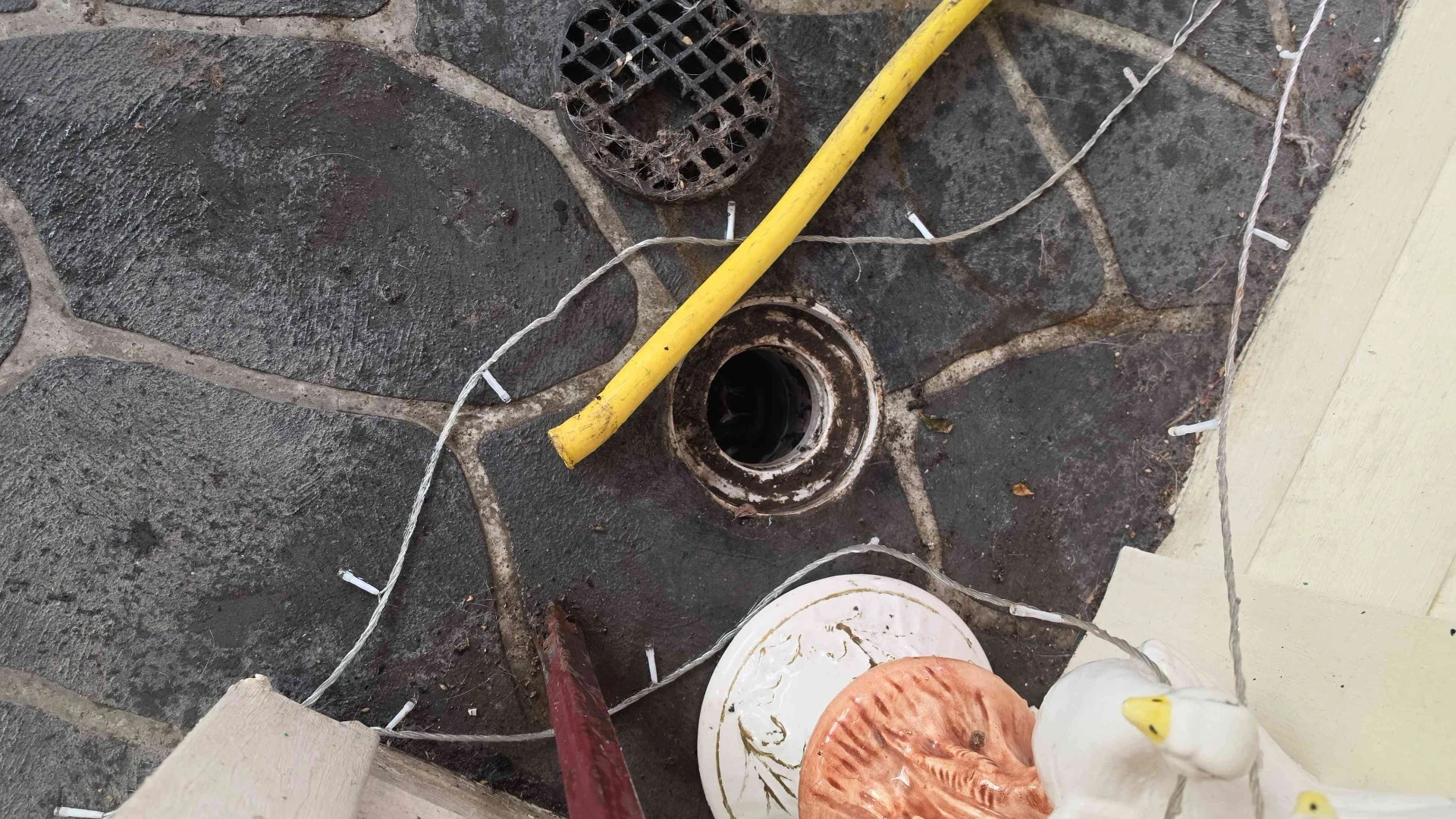
Professional Trench Drain Installation For Effective Surface Water Drainage
If water is constantly pooling around your driveway, garage, patio, or outdoor areas, a professionally installed trench drain may be the solution. Trench drain installation is one of the most effective ways to manage surface water, reduce water damage, and protect your property from ongoing drainage problems.
A properly designed trench drainage system captures water runoff before it can accumulate and redirect it safely into your property's drainage system. Whether you're dealing with flooding around driveways, stormwater runoff, or poor drainage across paved surfaces, trench drains provide a practical and long-term solution.
At WP Plumbing, we install trench drain systems for residential and commercial properties. Our team can assess your site, identify the cause of the problem, and recommend the most suitable drainage solutions to improve water flow and protect your property.
If you're experiencing drainage issues or want to discuss trench drain installation, contact WP Plumbing today on 0485 877 238.
What Is A Trench Drain?
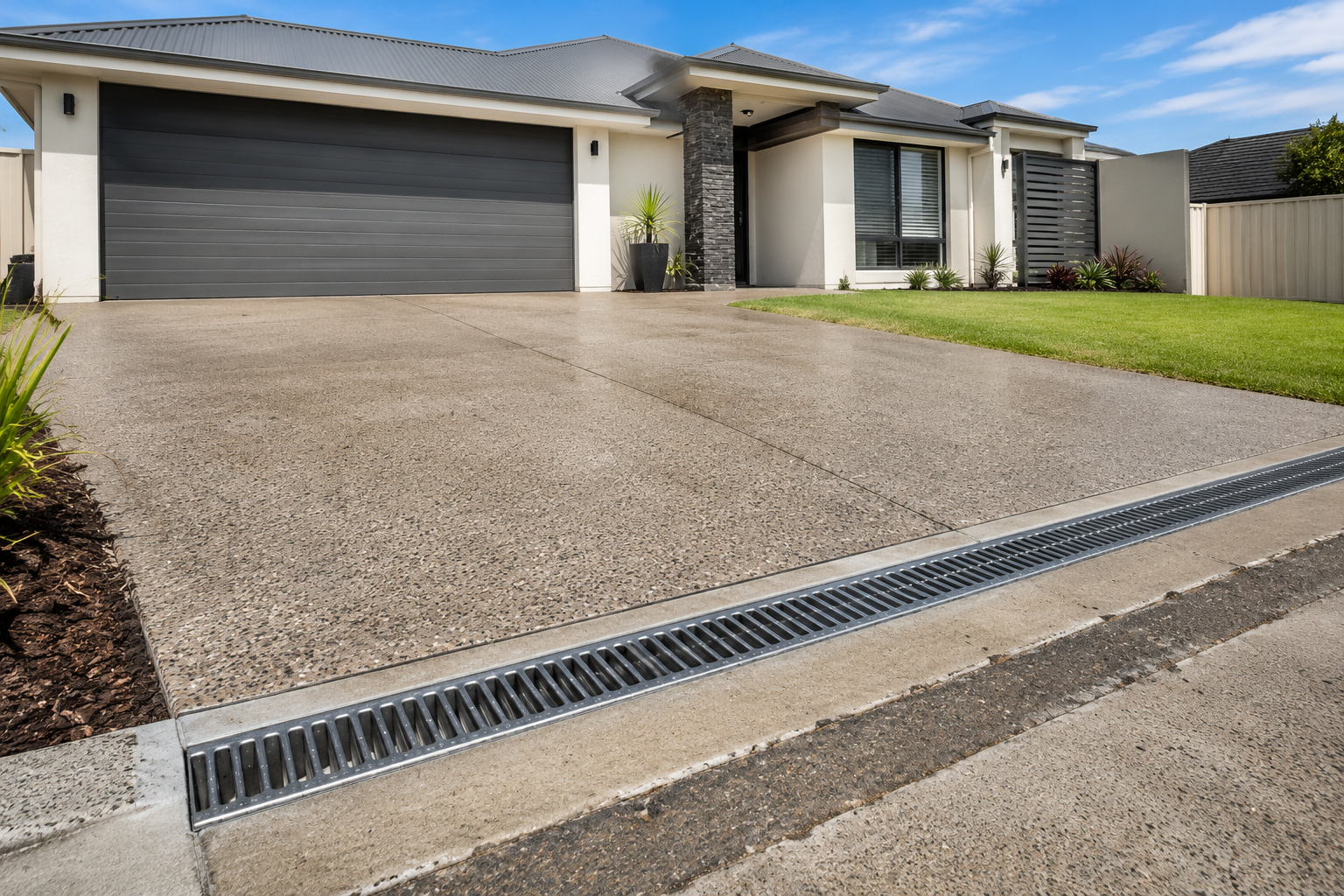
A trench drain is a long, narrow drain channel installed at ground level to collect and redirect surface water. Often covered with a grate, trench drains are commonly installed across driveways, garage entrances, patios, pathways, and commercial areas where water runoff needs to be controlled.
Unlike traditional point drains that collect water in a single location, a trench drainage system captures water along the entire length of the channel. This makes trench drains particularly effective in areas where large volumes of water need to be managed quickly.
Modern trench drain systems are available in a range of materials and designs, including polymer concrete channels, stainless steel grates, and heavy-duty commercial options designed for high traffic areas. Selecting the appropriate channel height, depth, and load class is essential to ensure long-term performance.
When Do You Need Trench Drain Installation?
Many property owners don't realise they need trench drainage until water becomes a recurring problem.
Water Pooling Around Driveways
One of the most common reasons for trench drain installation is water collecting on driveways. Without effective drainage, water can create slip hazards, damage pavement surfaces, and increase the risk of water entering garages or buildings.
Surface Water Around Outdoor Areas
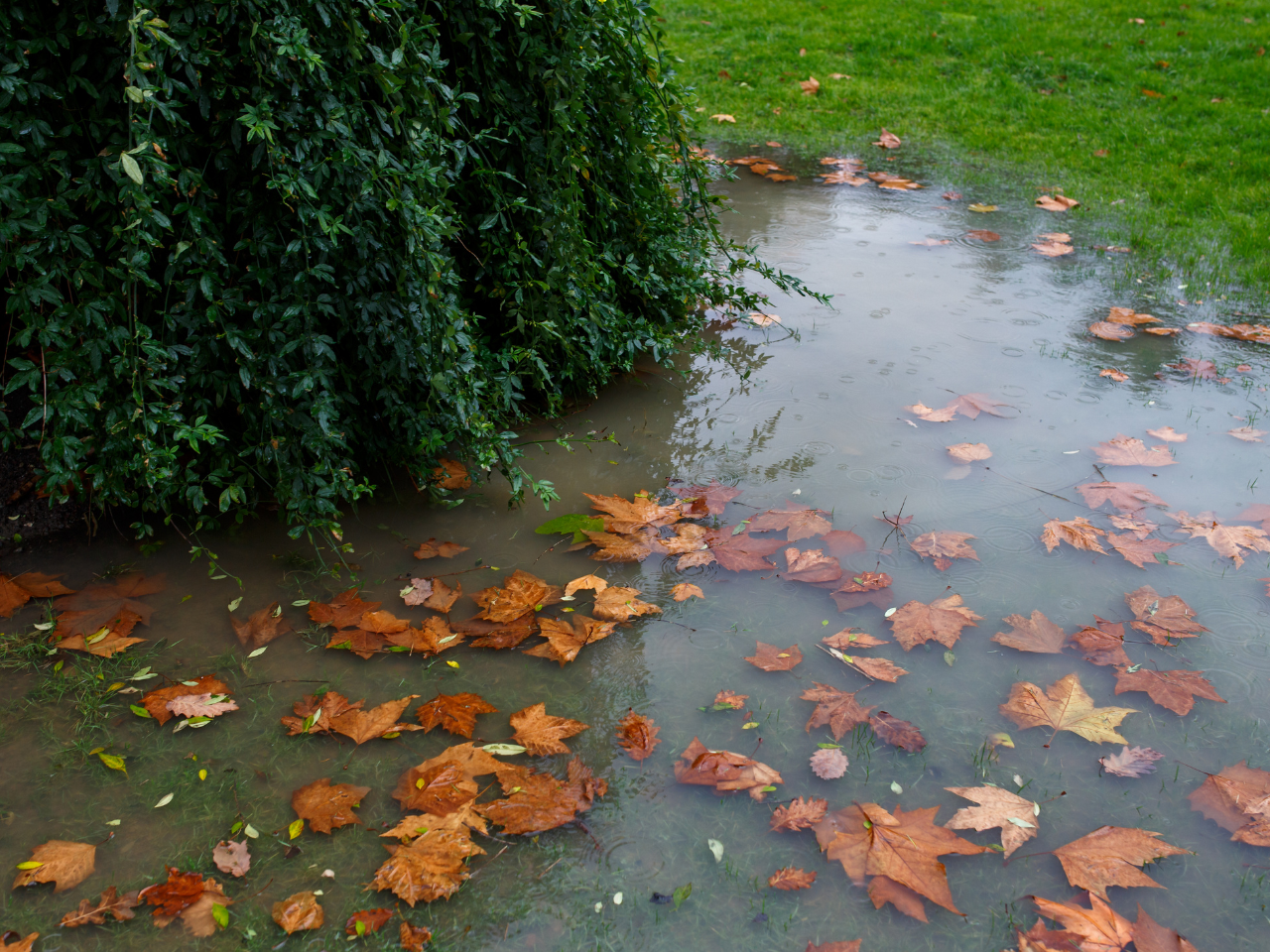
Patios, entertaining areas, walkways, and paved surfaces can all suffer from poor drainage. Trench drains help manage surface water before it becomes a larger issue.
Stormwater Runoff Problems
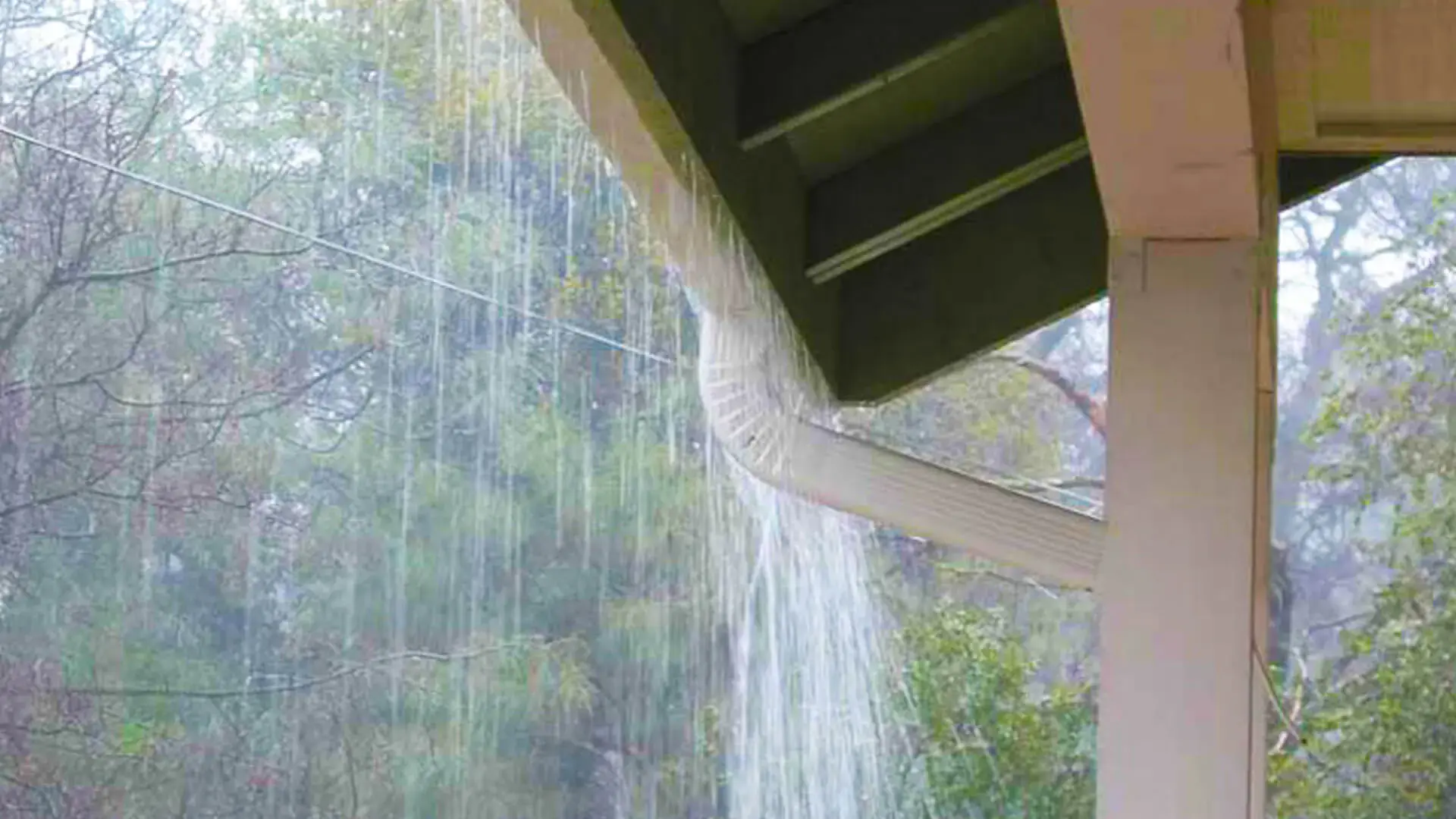
Heavy rainfall can overwhelm existing drainage systems, particularly during storm events. A trench drain system can help collect stormwater runoff and direct it into suitable drainage points before flooding occurs.
Water And Flooding Around Buildings
If water regularly accumulates near foundations, retaining walls, or building entrances, a trench drainage system can help reduce flood risk and minimise long-term structural damage.
Where Can Trench Drains Be Installed?
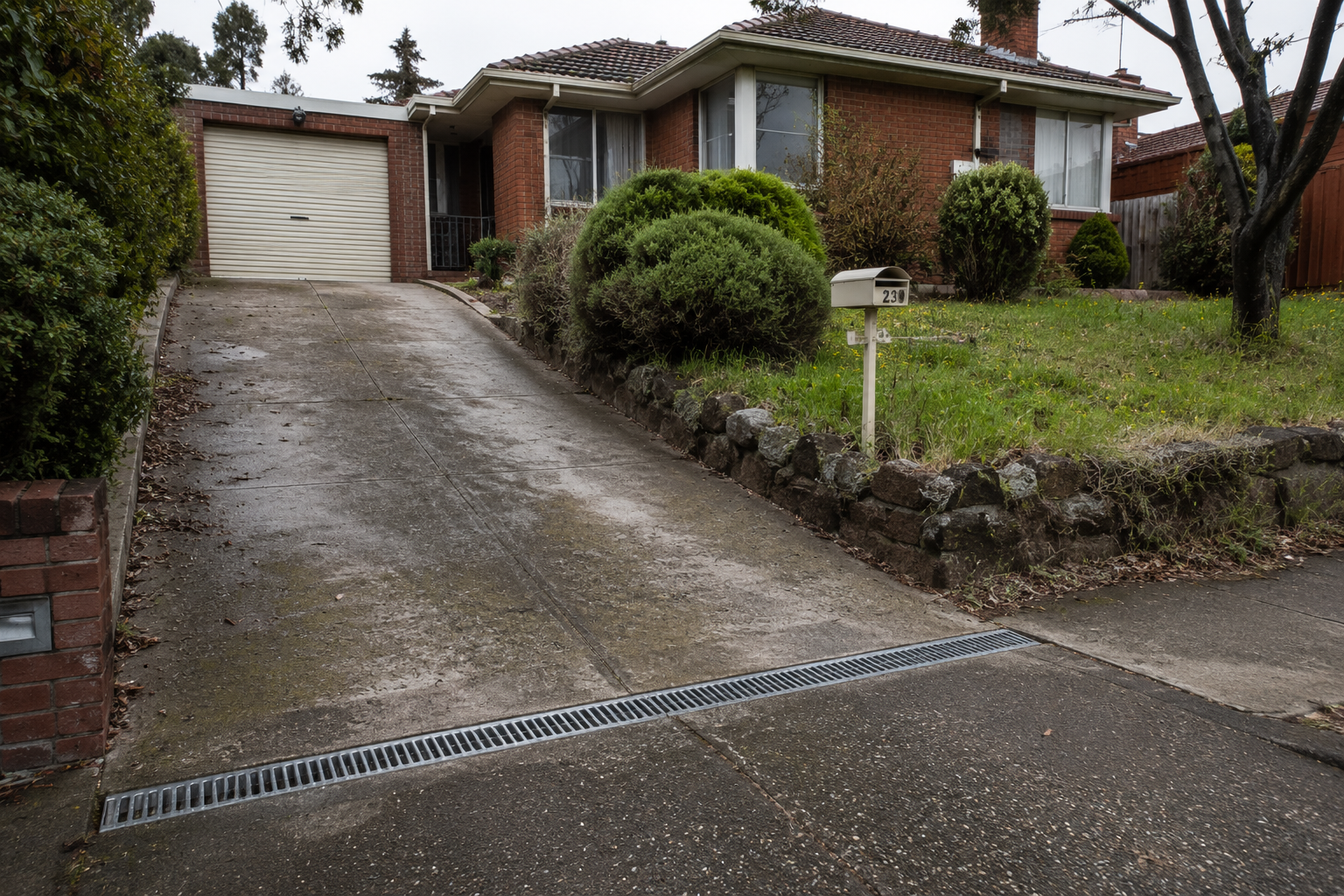
Trench drains are highly versatile and can be incorporated into a wide range of drainage projects.
Driveways & Garage Entrances
Driveways are one of the most popular locations for trench drains. Installing a drain channel across the entrance helps prevent water flowing into garages and adjoining structures.
Patios & Outdoor Living Areas
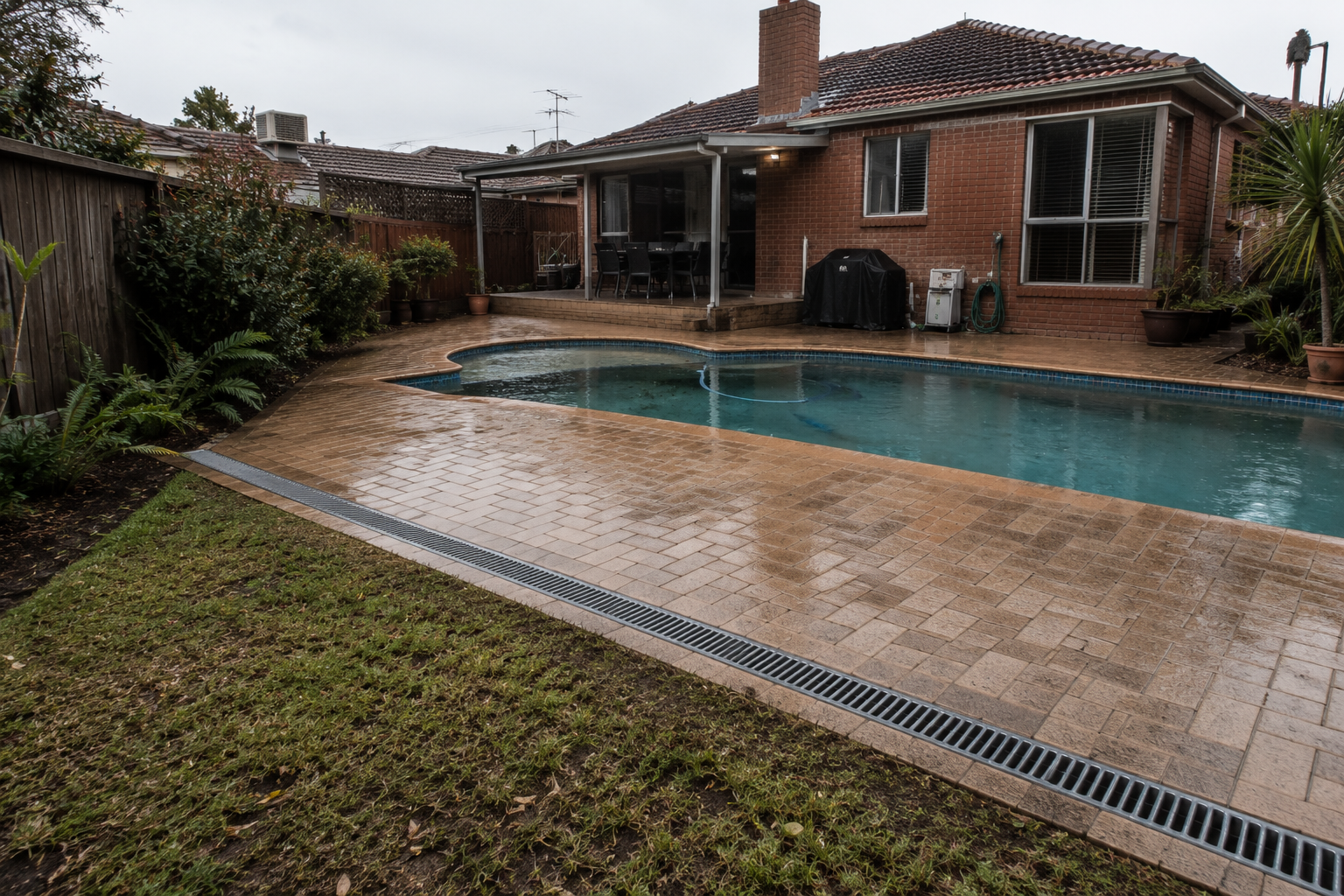
Outdoor entertaining spaces often require effective drainage to prevent water pooling and maintain usability during wet weather.
Commercial Properties
Commercial sites frequently use trench drainage systems to manage large volumes of water while maintaining safe pedestrian and vehicle access.
Car Parks & Industrial Facilities
Heavy-duty trench drains are commonly installed in industrial settings where high load class ratings are required to accommodate vehicle traffic and operational demands.
Benefits Of Installing Trench Drains
Reduces Flooding
A professionally installed trench drain captures water before it can accumulate and cause flooding around your property.
Protects Buildings From Water Damage
Excess water can damage foundations, walls, landscaping, and paved surfaces. Effective drainage helps protect these areas from unnecessary wear and deterioration.
Improves Safety
Standing water creates slip hazards for pedestrians and can affect vehicle access. Trench drains help maintain safer surfaces by managing water effectively.
Supports Long-Term Drainage Performance
When integrated into an existing drainage system, trench drains improve water flow and help reduce future drainage problems.
Protects Landscaping
By controlling water runoff, trench drainage can help prevent soil erosion and reduce damage to surrounding landscaping features.
Our Trench Drain Installation Process
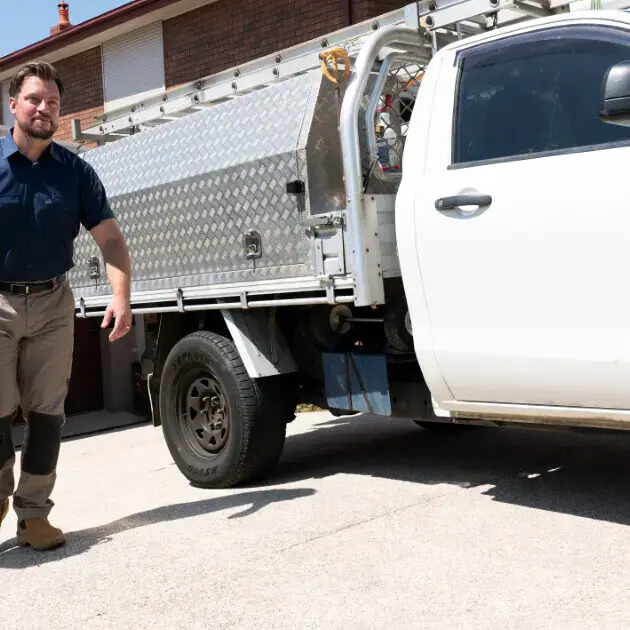
Every property has different drainage requirements. That's why we assess each project individually before recommending a solution.
Step 1: Site Assessment & Drainage Planning
The first step is understanding how water moves across the site. We assess existing drainage systems, soil conditions, pavement surfaces, and areas where water accumulates.
This allows us to determine the best location for the trench drain and identify any additional drainage improvements that may be required.
Step 2: Selecting The Right Trench Drain System
Choosing the correct trench drain system is essential for long-term performance. Factors such as water volume, surface area, depth, channel size, and load class all influence the final design.
Depending on the application, options may include polymer concrete channels, heavy-duty grates, and commercial-grade drainage components.
Step 3: Excavation & Trench Preparation
Once the design is finalised, excavation begins. A trench is carefully prepared to accommodate the drain channel while ensuring appropriate fall and water flow.
Depending on site conditions, gravel may be used to improve stability and support the drainage installation.
Step 4: Installing The Drain Channel
The drain channel is positioned within the trench and connected to the surrounding drainage system. This may include a connection to a catch basin, stormwater system, or designated drain pipe.
Correct alignment and appropriate channel height are critical to ensure effective performance.
Step 5: Concrete Installation & Backfill
After positioning the system, a trench with concrete is typically installed around the channel to provide strength and stability.
Concrete trench construction helps secure the drain while supporting surrounding pavement and surface loads. Backfill materials are then placed around the installation to complete the system.
Step 6: Testing & Completion
Before the project is completed, the trench drainage system is tested to ensure proper water flow and drainage performance.
Trench Drains vs French Drain Systems
Many property owners are unsure whether they need a trench drain or a French drain.
A trench drain is designed to manage surface water. It collects water that flows across driveways, patios, pathways, and paved areas before it can accumulate.
A French drain, on the other hand, is designed to manage groundwater beneath the surface. It uses gravel and perforated drain pipe to redirect water away from saturated soil and foundations.
While both systems form part of a broader drainage strategy, they solve different problems. During our assessment, we can recommend whether trench drainage, a French drain, or a combination of both systems is most appropriate.
Trench Drain Maintenance
Like any drainage system, trench drains benefit from routine maintenance.
Leaves, sediment, dirt, and debris can accumulate within the channel over time and reduce performance. Regular inspections help identify minor issues before they become major blockages.
Simple maintenance tasks may include:
- Removing debris from grates
- Flushing the drain channel
- Checking drainage points
- Inspecting for sediment build-up
- Monitoring water flow after heavy rainfall
Preventive maintenance helps extend the life of the system and reduce future repair costs.
Why Choose WP Plumbing For Trench Drain Installation?

At WP Plumbing, we understand that every drainage project is different. Our experienced team takes the time to assess your property, identify the source of the problem, and recommend practical solutions designed to deliver long-term results.
Why customers choose WP Plumbing:
- Experienced drainage specialists
- Professional trench drain installation
- Residential and commercial solutions
- Quality workmanship
- Upfront pricing
- Licensed and insured plumbers
- Lifetime labour guarantee
- Long-term drainage expertise
Whether you're managing water runoff around a driveway, addressing flooding issues, or upgrading an existing drainage system, our team can help.
Need A Trench Drain Installed?

A professionally installed trench drain can help prevent flooding, reduce water damage, and improve the performance of your property's drainage system.
If you're experiencing drainage issues or want expert advice on the best drainage solution for your property, contact WP Plumbing today.
Call 0485 877 238 or enquire online to arrange a consultation and discuss your trench drain installation project.